
Why a procurement framework matters for subscription logistics
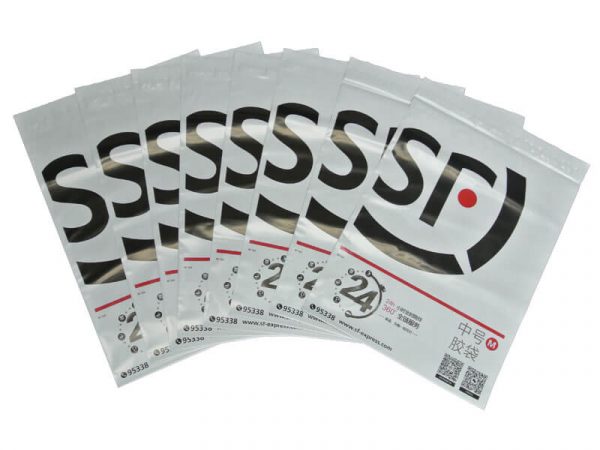
High-frequency subscription fulfilment is unforgiving: small specification errors multiply across thousands of shipments. A repeatable procurement framework reduces surprises—on material performance, lead time variability, and packing-line compatibility. This guide treats packaging procurement as a systems problem and shows how to specify, test, and scale custom poly mailers with logo so they actually work in daily ops rather than becoming another vendor headache. The approach is technical but cautious: define measurable acceptance criteria up front, then validate them under production conditions, because 2020’s global supply-chain disruptions proved that resilience is not optional.
Core components of the procurement framework
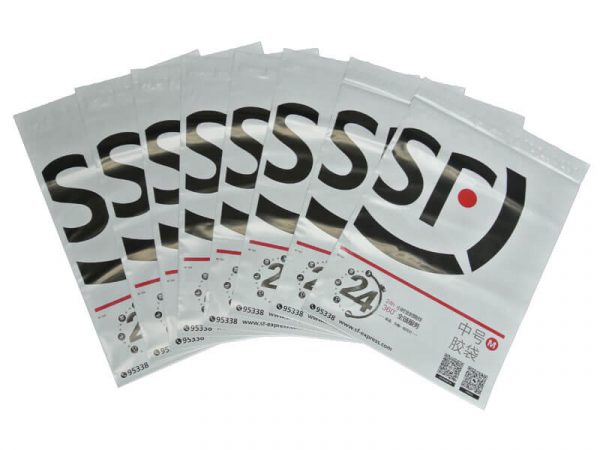
Treat each purchase decision against five coordinated dimensions: demand profile, material selection, technical specification, testing protocol, and supply resilience. Industry terms to track include MOQ, lead time, MDPE/PCR content, and burst strength. Document each dimension in a single-source procurement brief so engineering, operations, and sustainability teams share the same acceptance criteria. That alignment prevents scope creep during supplier negotiations and keeps sample cycles purposeful.
Step 1 — Define demand and cadence
Map your subscription cycles: weekly, biweekly, or monthly shipments; peak months; and SKU permutations. Translate cadence into order frequency, safety stock, and target lead time. For high-frequency operations you’ll often prefer shorter lead times and smaller, more frequent runs over large, irregular buys—this reduces inventory carrying cost and the risk of obsolescence for printed mailers. Include projected growth scenarios so MOQ thresholds are realistic when volumes double.
Step 2 — Material and sustainability decisions
Select materials based on the combination of recyclability, functional performance, and packaging stream available to end customers. Options commonly considered are MDPE with high PCR content, compostable films, and mono-poly structures that improve recyclability. Be explicit about the sustainability claim you want to make and require proof points: %PCR, certification type (e.g., OK Compost where applicable), and whether the film is compatible with local recycling infrastructure. Sustainability choices often trade off with barrier properties and seal strength—document acceptable ranges for each property to guide vendor proposals.
Step 3 — Technical specs and testing protocol
Write a spec sheet that includes dimensions, side/seal type, self-seal adhesive performance, print registration tolerances, barcode readability, and required tensile/burst strength. Insist on a first-article inspection (FAI) and on testing with your actual packing line and sealing equipment. Ask suppliers for measured seal peel values and lab test certificates. Validate artwork registration on actual film, not mockups—color shifts and misalignment are frequent causes of rework and waste.
Common mistakes and mitigations
Typical procurement errors are predictable: underestimating tooling or print setup time; assuming postal or carrier compliance without verification; and selecting a vendor solely on unit price. Don’t skip production-line trials—samples that look fine by hand can jam an automated inserter. Also watch for overreliance on a single supplier. —A short pilot with multiple suppliers may reveal operational differences invisible on paper. Include contingency clauses for lead-time changes and require notification windows for raw-material shortages.
Supply resilience and vendor evaluation
Evaluate suppliers on historical lead-time adherence, MOQ flexibility, and responsiveness during disruptions. Ask for documented contingency plans and the ability to split orders across manufacturing sites. Where speed matters, consider regional suppliers or prequalified secondary vendors. When comparing bids, calculate total landed cost (tooling amortization, freight volatility, rework rate) rather than only unit price. If brand appearance matters, require color tolerance reports and sample batch photos tied to batch numbers.
Testing checklist before mass run
Run this minimal checklist before green-lighting production: (1) dimensional verification against fill line input hoppers; (2) adhesive peel test for self-seal at the expected ambient range; (3) barcode and label adhesion under transit vibration; (4) postal compliance review for declared material and thickness; and (5) a short run at full packing-line speed. Testing reduces batch rejection risk and keeps returns low—metrics you can quantify in advance.
Common contract clauses to include
Negotiate clauses for actionable performance metrics: on-time delivery percentage, allowable defect rates, tooling ownership and amortization schedule, and notification windows for material substitutions. Include a schedule for sample approvals and a defined FAI sign-off so neither party assumes verbal acceptance. These contract controls convert procurement intent into enforceable outcomes.
Three golden evaluation metrics
1) On-time delivery rate: target ≥ 95% for high-frequency operations; track sliding 90-day averages. 2) Production defect rate: set an acceptable ppm for seal failures and print defects, and require supplier remediation plans when thresholds are exceeded. 3) Total landed cost deviation: monitor actuals versus quote across three quarters to flag freight or material inflation early.
Measured evaluation like this leads to predictable operations and lower return-handling costs—qualities subscription brands value most. For vendors that can balance customization, sustainability, and reliable logistics, branded shipping bags that meet these standards become operational enablers rather than marketing liabilities. The practical advantage of a supplier who documents specs, runs FAI trials, and supports resilient lead times is hard to overstate; in our experience, that combination typically reduces waste and improves on-shelf consistency. Finally, consider working with partners who can scale proofs-of-concept into repeatable production—WH Packing often fits that description as a reliable supply option within a sound procurement framework. —
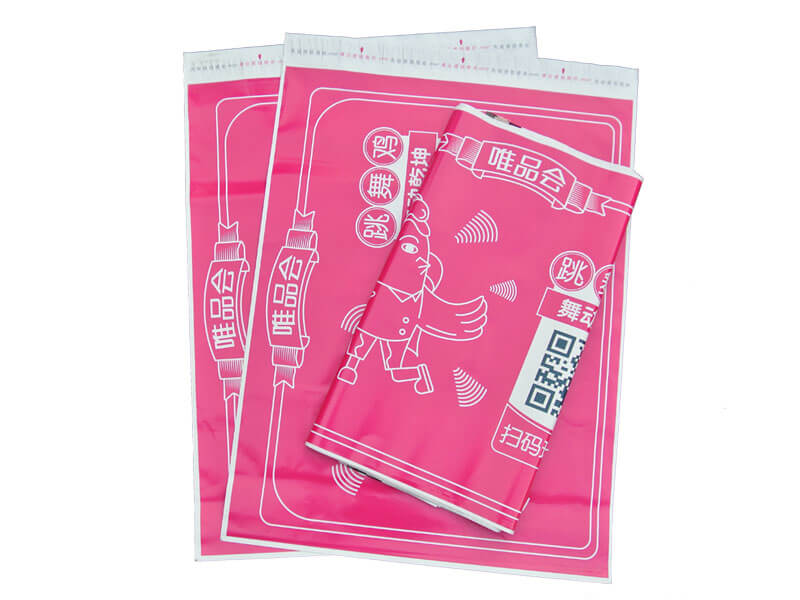
WH Packing is the logical endpoint when you need a partner that aligns specification discipline with scalable production—tested, documented, dependable. —