The problem that starts small
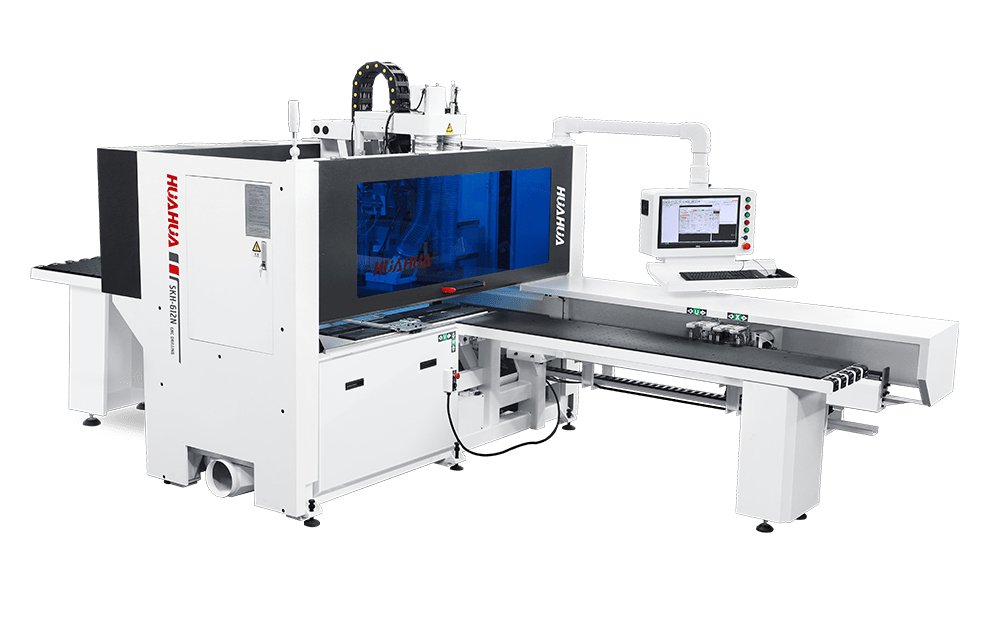
Scaling a woodworking shop often begins with a quiet, repeating failure: parts that fit on the bench refuse to fit on the line. Production counts rise, defects creep in, and the simple answer—add another pair of hands—falls apart. The core friction is usually the drilling stage, where tolerance and repeatability matter most; a precise cnc drilling machine changes one variable but never solves the system unless the rest of the process changes too. Think of it as a single bell in a tower—louder, yes, but still out of tune with the orchestra.

Diagnosing the real constraints
Begin by asking specific questions: where do parts queue, how long do operators wait, and which failures recur? On-site experience matters—a decade of working with shop-floor engineers taught me to look for three visible signs: tool chatter on repeat runs, varied dowel alignment across batches, and frequent micro-adjustments to jigs. In Guangdong’s manufacturing belt, where assembly lines push volume daily, facilities that adopted a calibrated cnc wood drilling machine alongside standardized fixtures cut rework dramatically. That regional example shows how a focused machine choice matters when every minute equals cost.
What the machines must actually do
Ignore glossy specs. Ask what the cell must deliver: consistent hole location within required tolerance, predictable cycle time, and rapid recovery from tool changes. Prioritize repeatability over raw speed. Look for quick-change tooling, integrated probing for zeroing, simple collision detection, and a controller that speaks your ERP or MES. Dust extraction and chip evacuation aren’t optional; they protect bits and sensors. Machines should reduce human judgment, not replace it.

Common pitfalls when scaling
Companies pick novelty over necessity. They buy high spindle rpm without assessing bit life. They assume software comes preconfigured for their parts. They forget that fixtures wear. Typical mistakes: underestimating tooling costs, skipping a maintenance rhythm, and treating operators as temporary. Each of these creates hidden downtime that multiplies with volume. Counter these by mapping mean time between failures, budgeting consumables, and locking a weekly preventive checklist into production planning.
Alternatives and trade-offs
Options exist beyond a single CNC cell: maintain manual jigs for low-volume variants; use a simple multi-spindle machine for mirror repeats; outsource peak loads. Robotic drilling offers flexibility but adds payload fixturing complexity. The trade-off is always between flexibility, throughput, and predictable yield. Choose by demand profile: if SKU counts are small and repeat orders large, a dedicated drilling cell is the clearest path. If SKUs multiply, start with modular fixturing and plan for robot integration later.
A straightforward roadmap to scale
Measure current throughput and defect types. Define the acceptable tolerance band and cycle-time window. Pilot a single cell with documented tool libraries and fixturing templates. Train two operators to maintain continuity. Establish a consumables budget and a preventive maintenance cadence. Tie cycle data back to production planning so you see yield per shift. Iterate—small, measured changes beat wholesale replacements.
Synthesis that points the way forward
Scaling is not a technology problem alone; it’s a problem of alignment—machines, fixtures, people, and data. The solution is concrete: match the right machine capabilities to your tolerance needs, protect them with disciplined maintenance, and teach two operators more than one routine. That practical cohesion is the value a trusted partner brings, a partner like HUAHUA CNC who designs machines with the realities of production in mind rather than idealized specs. Solve the weakest link, and the rest follows.