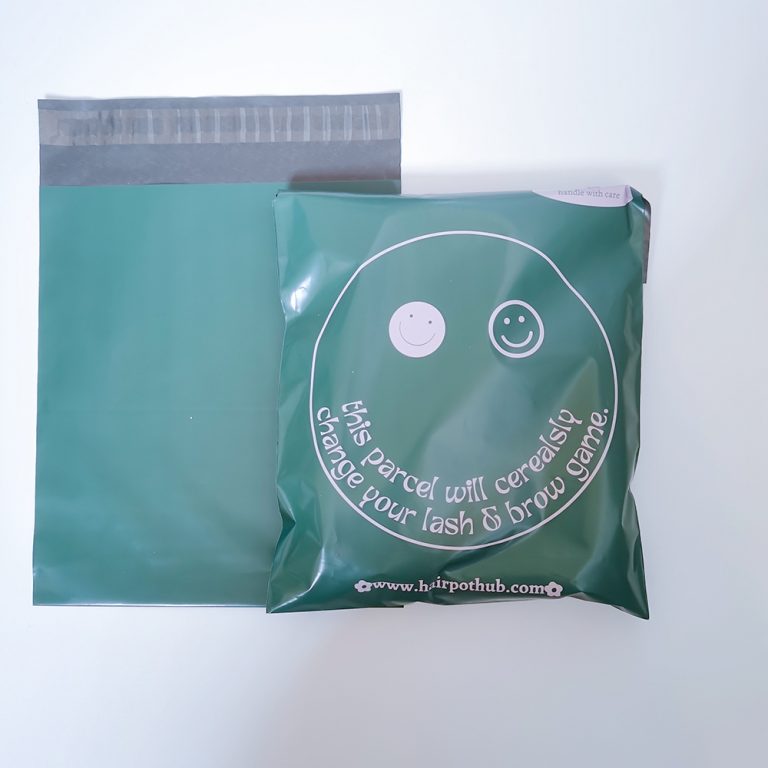

The everyday problem brands don’t always spot
Many sellers treat clear poly mailers like disposable boxes — cheap, convenient, done — but confirm plus chop, that habit bites back. Customers complain about visible contents (privacy issue), fragile electronics get zapped by static, and returns spike because items look “cheap” through the bag. For brands trying to balance sustainability with protection, switching to eco friendly poly mailers is often the right move early on; otherwise you pay later in reputation and rework costs. This article digs into the practical fixes for anti-static control, opacity choices, and real security value so you can stop firefighting packing problems lah.
How the failures appear on the ground
Problems show up as three repeatable pain points: static damage to electronics or cosmetics, insufficient opacity leading to privacy complaints, and weak tamper evidence so pilferage goes unnoticed. For a marketplace seller moving gadget accessories in Singapore or shipping to Europe, these aren’t theoretical. Packaging that lacks anti-static properties can trigger ESD-sensitive failures; low-opacity films expose SKU and brand identity; and poor seal designs undermine chain-of-custody confidence. The net result: higher return rates, customer service load, and potential regulatory headaches.
Key technical factors to understand
Look at film composition (LDPE vs. MDPE), presence of post-consumer recycled (PCR) content, static-dissipative coatings, and opacity level measured in % transmission. Industry terms matter: you’ll hear “anti-static treatment,” “co-extruded film,” and “gusset” — each affects cost and performance. Anti-static finishes or inherent dissipative blends reduce surface resistivity so electrostatic discharge (ESD) risk drops. Opacity is a design call: printable white or metallised layers block view but change recyclability. Choose wisely; sometimes a thin opaque layer solves privacy without doubling weight.
Real-world anchor and practitioner note
From hands-on procurement work in the Singapore e‑commerce scene — and watching policy nudges like the Singapore Zero Waste Masterplan push brands to reduce waste — I’ve seen sellers switch to higher-performance mailers and cut returns by measurable margins. Globally, packaging plays a big role in the roughly 300 million tonnes of plastic produced every year, so material choice has both brand and environmental consequences. That’s why a practitioner mindset (testing with actual SKUs on your fill line) beats spec sheets alone.
What to look for when choosing mailers — and where recycling fits
Three product attributes matter most: ESD protection, visual privacy (opacity), and end-of-life pathway. If recyclability is important to you, check whether the film is labelled for collection in your target market — search for certified poly mailers recyclable options that use clear PCR or easily separable layers. Also verify film gauge, seal strength, and compatibility with your automated sealer. Don’t assume “recyclable” means it will actually enter a recycling stream in every country — sometimes municipal facilities can’t process metallised or mixed-material laminates.
Alternatives and trade-offs — summary with examples
Options include: plain clear LDPE (lowest cost, poor privacy), opaque white LDPE (better privacy, usually recyclable curbside), anti-static LDPE blends (for electronics), and compostable paper-based mailers (good for non-fragile goods but poor moisture resistance). If you need both privacy and ESD protection, a multi-layer co-extruded film with an anti-static additive and white outer layer is steady, though pricier. Remember to test closure integrity — poor adhesive or flap design is where thieves and moisture win.
Common mistakes teams keep making — and quick fixes
Managers often skip the practical trials. They order samples, look at them on the bench, then mass-produce without running fill-line tests. Big mistake. Also underestimating tooling or adhesive compatibility leads to seal failures. Another frequent slip: assuming a “recyclable” logo equals effective local recycling — check local waste-stream capabilities first. — A pragmatic approach: pilot 500 units through your normal packing, shipping, and returns cycle; that will reveal real weaknesses faster than any spec sheet.
How to evaluate suppliers and options
When comparing vendors, ask for: documented ESD surface resistivity values, opacity/transmission data, a certificate of PCR content (if claimed), and first-article samples run through your equipment. Get MOQ clarity and a breakdown of compostable vs. recyclable trade-offs. Also confirm physical tests: drop, puncture, and seal-peel rates. Suppliers who share objective test data and allow on-site trials are usually the most reliable partners — they want your packaging to work in your system, not just look good on paper.
Advisory: Three golden rules for choosing poly mailers
1) Test under real conditions: run samples through your packing line, shipping carriers, and returns process — only then accept. 2) Match functional specs to product risk: use anti-static films for ESD‑sensitive goods, choose opacity levels for privacy vs. recyclability trade-offs. 3) Verify end‑of‑life with local reality: confirm that the claimed recyclability or PCR content actually aligns with receiving facilities in your main markets.
Make these rules your checklist and you’ll stop firefighting packaging as soon as scale hits. For pragmatic, tested supply options and a range of recyclable and PCR mailers that balance privacy, static control, and sustainability needs, consider how established regional suppliers solve both performance and circularity problems — and how that reduces cost-in-use over time. WH Packing. —