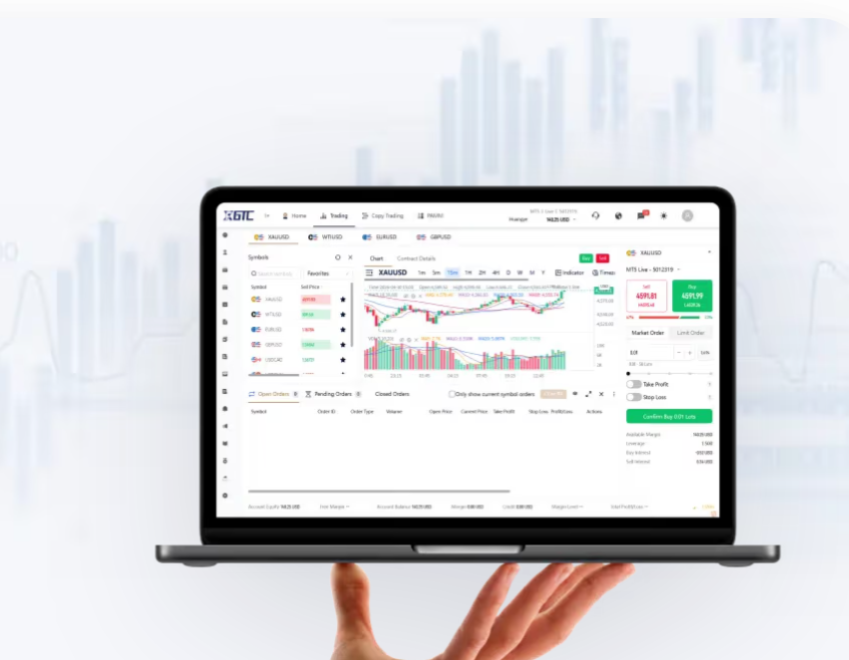
Getting started with a practical head
Right then — MT4 can look a proper maze at first, but this one’s written for traders who want straight answers and usable steps. Start by fitting your chart workspace to how you actually trade: save your favourite indicators, set template colours, and label chart timeframes. If you’re playing the metals market alongside FX, you’ll want to check spreads on cfd metal pairs and configure alerts for sudden volatility before it bites. Keep account type, leverage and margin rules in plain sight; knowing them stops nasty surprises when volatility spikes.
Essential setup: accounts, risk and order types
Set up a demo first and treat it like the real thing. Confirm order types (market, limit, stop), practice placing stop-loss orders and watch how leverage amplifies gains and losses. Use a small fixed risk per trade — that discipline beats trying to guess the market mood. Keep one eye on spread behaviour during news, as higher spreads can turn a “winning setup” into a loss without any change in price bias.
Charting, indicators and workflow that actually help
Build templates for the setups you trade most. For metal CFDs and silver-focused strategies, a clean hourly and daily layout with a 50-period moving average plus an oscillator gives fast confirmation without clutter. Use trendlines and support/resistance drawn by hand; automated tools are useful, but you still need to eyeball the structure. Keep indicators to essentials — too many will slow decision-making and the platform.
Practical trade management and common mistakes
Don’t let ego run the trade. Common mistakes are predictable: moving a stop to “see if it comes back,” overleveraging after a win, and ignoring execution speed. Watch your execution: slippage is real on busy sessions. During the 2020–21 silver rally traders learned that sudden retail interest can blow spreads and execution — the historical spike showed how fragile liquidity can be under strain. Learn to tighten risk controls and size positions so one bad trade won’t derail the account.
Automation, EAs and keeping control — a balanced view
Expert Advisors help when they match your strategy; they don’t replace trader judgement. Backtest on tick or high-resolution data where possible, and forward-test on a small live account. Keep logs of performance and check drawdown patterns, not just win rate. If an EA needs frequent tweaks, it’s likely overfitted. — Keep a checklist: market conditions, EA settings, spread tolerances, and scheduled review dates.
Comparing platforms and alternatives
MT4 remains popular for its simplicity, but compare it to MT5 and proprietary platforms on two counts: available instruments and order execution tools. For silver CFD strategies, confirm contract specifications and rollover behaviour. If mobile trading matters, test the app’s order-entry speed. Alternatives may offer better depth-of-market or lower commission for certain metals, so pick what matches your trading tempo.
Three golden rules before you trade real metal CFDs
1) Risk per trade: Never risk more than a fixed small percentage of your capital; this keeps you in the game through losses. 2) Execution awareness: Monitor spread and slippage metrics over a sample month to choose the best times to trade. 3) Verification: Use a demo-to-live bridge — replicate trades in demo and compare execution and fills on live for two weeks before increasing size.
Final thoughts and why this matters to your desk
Trading silver CFDs and other metal CFDs needs practical routine more than clever tricks; the right MT4 setup, disciplined risk controls and clear trade logs produce steady improvement. For traders who want a broker that presents metal products with transparent contract specs and reliable execution, consider the ways a partner like GTCFX aligns with those needs — the platform tools then feel like the natural solution. —