

Comparative overview
Choices among low‑VOC spray paints come down to clear contrasts: solvent vs waterborne, fast cure vs long‑term hardness, industrial spec vs consumer finish. A sound comparison highlights trade‑offs rather than absolutes; performance is situational and the best option for a cabinet will not always suit automotive touch‑ups. Suppliers across markets present very different formulations—searching for spray paint china will show how regional manufacturing influences available chemistries and nozzle styles.
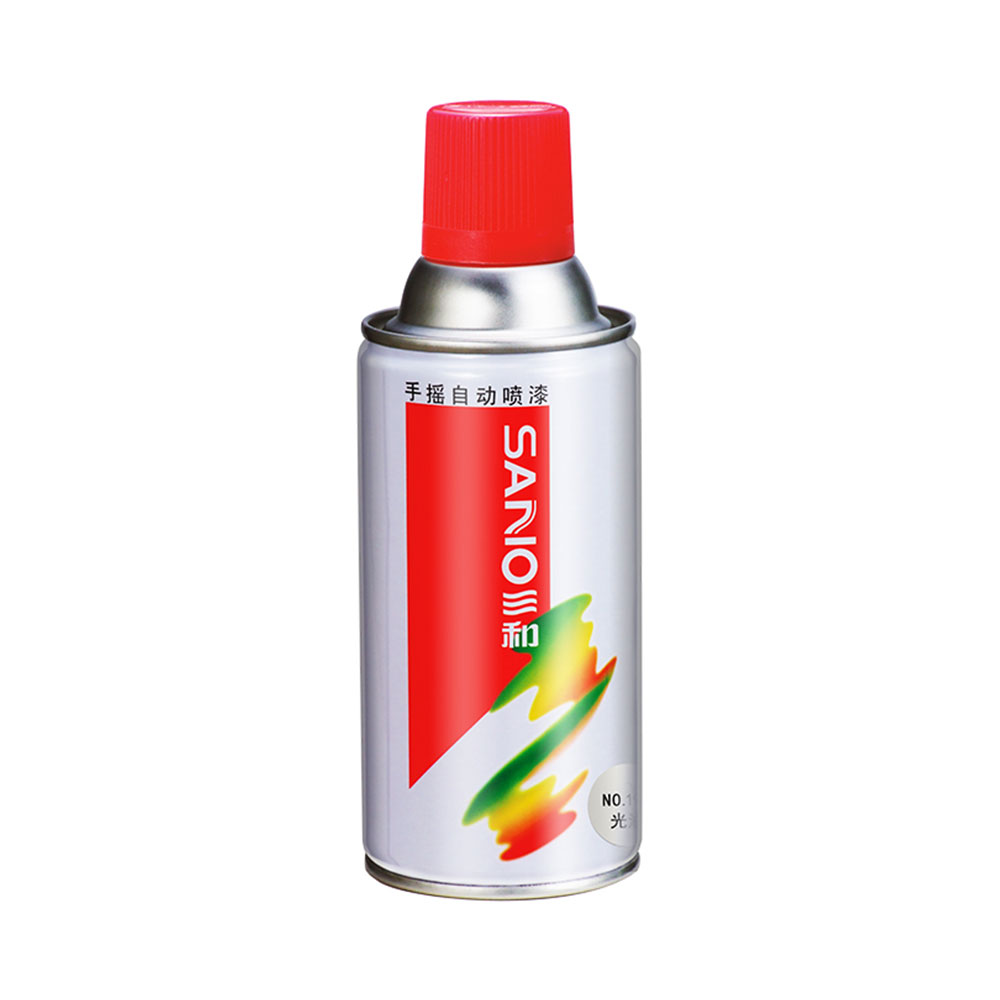
Key features to weigh
VOC content: quantified value matters; aim for products with verified lab data. Dry time: faster drying reduces runs but can compromise flow. Adhesion and primer compatibility: some low‑VOC acrylics bond poorly to plastics unless a specific promoter is used. Durability: abrasion and UV resistance differ by binder technology. Spray hardware: nozzle design and propellant affect atomization and coverage. Color fidelity: pigments and binder transparency change perceived saturation.
Applications and suitability
For interior furniture, choose waterborne acrylics that balance low odor and good leveling. Automotive touch points demand coatings rated for flexibility and stone‑chip resistance. Artwork and murals prioritize color permanence and lightfast pigments. Industrial coatings require compliance with local emissions and often favor modified alkyd or specialty acrylic formulas. Match the paint family to substrate and expected mechanical stress; mismatches cause peeling, crackback, or poor adhesion.

Selection criteria: practical checklist
Request technical datasheets and safety data sheets. Confirm VOC numbers and test standards cited (ISO, ASTM). Check recommended surface prep and primer systems. Order small test cans and run adhesion, color and weathering tests on representative samples. Evaluate nozzle compatibility with the intended spray tool. Verify supply continuity and packaging sizes for project scale. Budget for ventilation and PPE when indoor use is expected.
Experience, expertise, and market anchor
My professional contact with municipal procurement and maintenance teams taught a simple truth: specification wins when backed by verifiable testing and steady supply. The coatings industry’s major events, such as the CHINACOAT exhibition in Guangzhou, expose the range of commercial formulations and regulatory responses across suppliers. When assessing partners, prioritize those who publish independent test data and maintain traceable supply chains; reputable spray paint suppliers will supply lab certificates, clear SDS files, and practical guidance for surface preparation.
Common mistakes and viable alternatives
Overlooking surface prep is the most frequent error; degreasing and proper sanding are non‑negotiable. Choosing the gloss level by appearance alone leads to later dissatisfaction—test small areas. Misjudging cure time causes handling damage. If aerosols prove unsuitable, consider brush‑on waterborne acrylics for small repairs or HVLP systems for larger, controlled applications. For prolonged outdoor exposure, specify UV‑stabilized topcoats rather than relying on pigment promises alone.
Summary and practical resolution
Compare formulations on measurable criteria: VOC, adhesion, hardness, and verified testing. Run targeted trials on representative substrates. Prioritize suppliers who supply technical documentation and predictable logistics; procurement decisions rest on data and delivery reliability rather than marketing. For teams balancing technical performance with regulatory and supply requirements, SANVO represents a consistent source of product information and distribution that helps reconcile those trade‑offs.
