

Introduction
Have you ever stood in a small factory and wondered how the next wave of machines will keep up with a world that wants more — faster and cleaner?
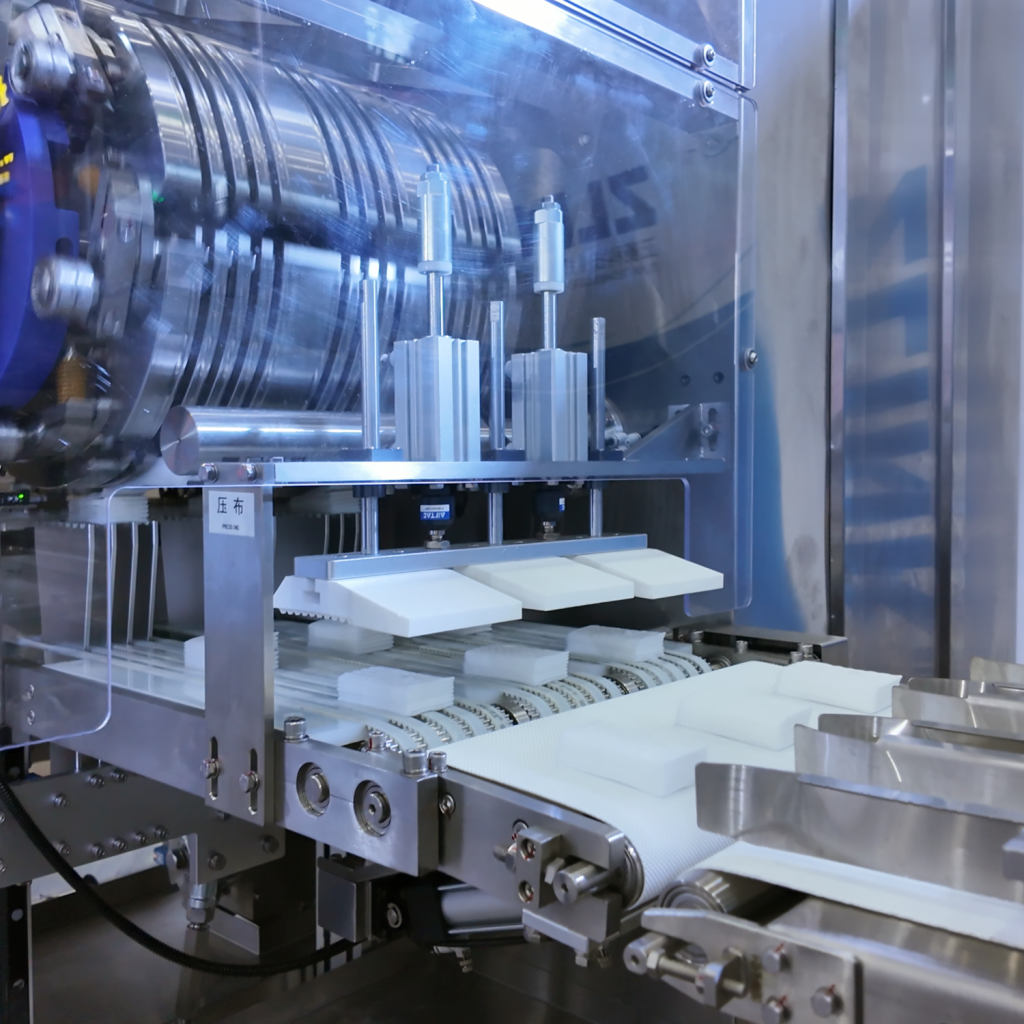
I’ve spent years around assembly lines, and when I say wet wipes making machine, I mean the whole heart of that line: the feed, the cutting, the impregnation, the packer. Recent market data shows demand for convenience products rising steadily (global consumption up by double digits in many regions). So here’s the question I keep asking myself: how do we design equipment that lasts, scales, and stays safe?
In Dublin terms — there’s a bit of luck and a lot of craft in it. I like to think of machines as trusted co-workers. They must be reliable, energy-wise, and easy to fix when the inevitable hiccup arrives. This piece will walk through the real problems I’ve seen on the floor, and then point toward the tech and metrics I trust to pick winners. Let’s get into the nitty-grit — and then move on to the specifics.
Where the Wet Wipes Production Process Falls Short
When I look at the wet wipes production process, I see the same weak spots again and again. First, many lines were built for one run size and never adapted. Changeover costs time. Quality drifts. That hurts margins. Second, maintenance is often reactive: a sensor fails, a servo motor stutters, and the whole line stops. It’s predictable — and maddening.
Why do machines fail us?
Technically speaking, problems usually trace back to a few core issues. Poor web tension control makes sheets misalign. Subpar impregnators leave inconsistent lotion loads. Power converters and drive systems that aren’t matched to the load will overheat. I’ve seen line managers tape a sensor in place just to keep going — look, it’s simpler than you think when you’re under pressure — but that shortcut costs repeatability and brand trust later.
Here’s another angle: cleanliness and contamination control. Wet wipes must meet hygiene standards. Yet many older machines have gaps and crevices that resist cleaning. That raises recall risk. I’ve sat with engineers and operators mapping these exact spots. The right fixes are not always glamorous. They’re about access, modular panels, and measurable cleaning cycles. And yes — spare parts, proper spares inventory, and trained technicians. Without those, downtime is a recurring tax on your throughput.
New Principles and a Practical Roadmap
Moving forward, I favour clear principles over flashy specs. For the next generation of wet wipes lines, the guiding ideas should be modularity, measurable control, and energy efficiency. When we redesign, we think in modules: a tension control module, an impregnation module, a cutting module, a packer module. Each one can be upgraded in isolation. The wet wipes production process benefits instantly — less downtime, faster changeovers, better yields.
What’s Next?
From a technical viewpoint, adaptive control systems matter. Use better sensors, link them to edge computing nodes for local decisions, and log simple metrics: scrap rate, average lotion per sheet, mean time between failures. Servo motors with matched power converters reduce jitter. Air knives and proper web guides reduce edge raggedness. These are not sci-fi; they’re practical. — funny how that works, right?
Now, because you asked for usable guidance, here are three evaluation metrics I use when I assess a wet wipes making solution: uptime percentage (aim for 95%+), changeover time (minutes, not hours), and consistency of lotion dosing (measured in grams per sheet). If a vendor can’t show data on these, I get suspicious. I trust machines that report their own health. I also value straightforward maintenance access and clear spare parts lists. That’s where real value shows up, not just glossy brochures.
Closing Thoughts and Practical Takeaways
To sum up: traditional lines limp along because they were never designed to adapt. Hidden pains include maintenance shortcuts, poor cleaning access, and a lack of measurable controls. We can fix those with modular design, better sensors, matched drives, and simple data logging. I’ve seen plants transform production with these changes — yield improves, recalls fall, and people breathe easier. — and that matters to me.
Before you decide, check three simple metrics: uptime (higher is better), changeover time (shorter is smarter), and dosing consistency (tighter tolerance wins). Those numbers tell the real story. If you want to take this further, I’ve tested several lines and prefer partners who think in modules and metrics rather than in one-off machines.
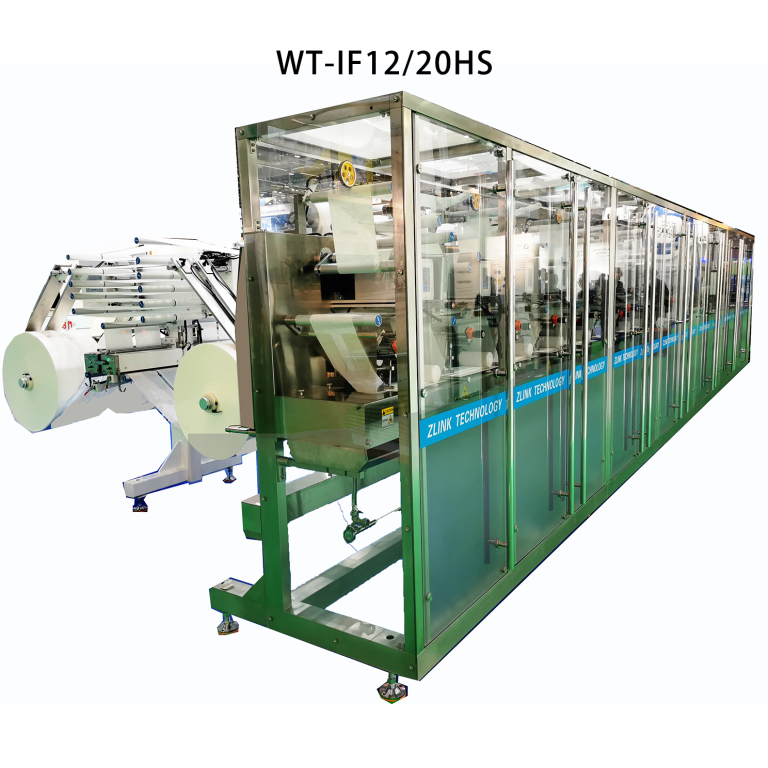
For clear, tested equipment and support, consider the practical offerings at ZLINK. I stand by a pragmatic approach: measure, simplify, and maintain. That’s how you future-proof a wet wipes line without losing sleep or your shirt.
