Facing the same old chaos?
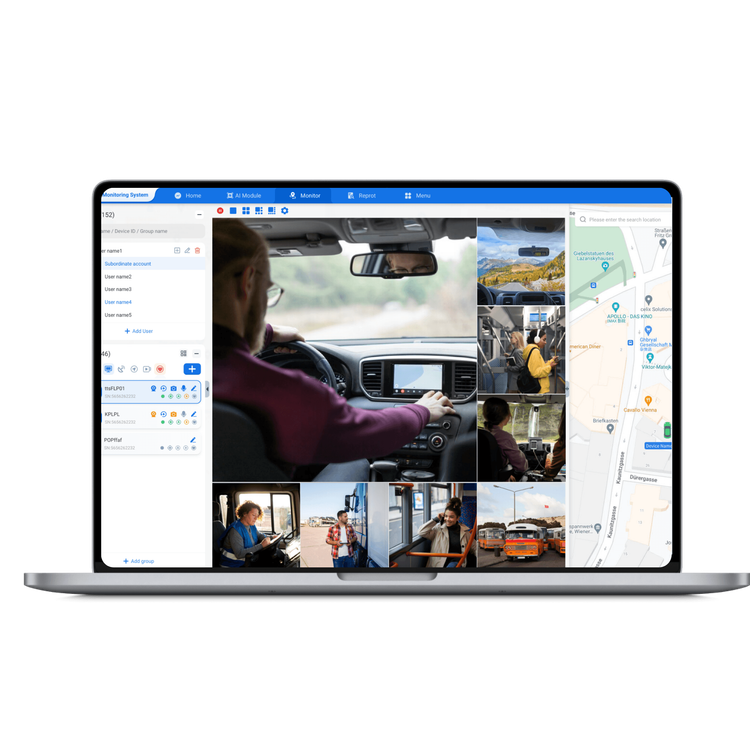
Too many missed windows, drivers circling empty streets, and managers glued to spreadsheets — that’s the situation most teams start with. I’ve seen it firsthand working with a London-based courier fleet: late pickups turned into frantic calls, and small routing mistakes snowballed into big overtime bills. Solve that pain first, then everything else becomes easier. If you want one practical place to start, look at a fleet management solution that gives live visibility without noise.
The core problem — not enough real-time clarity
Here’s the logic: dispatch decisions need current, clean data. When they don’t have it, operators guess. Guessing creates wasted miles, unhappy customers, and stressed drivers. The usual failure modes I keep seeing:
– Inaccurate ETAs because vehicle locations update too slowly.
– Poor handoffs when drivers swap routes mid-shift.
– Fuel spikes from unnecessary idling.
– Reports that take days to produce, so issues repeat before anyone notices.
Why GPS matters — and how teams misuse it
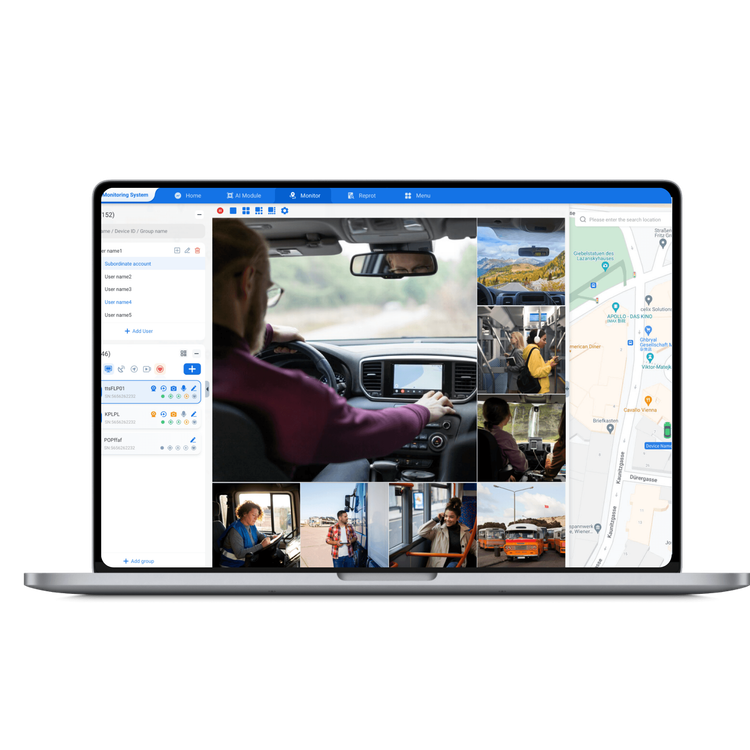
GPS is not a magic fix. It’s the raw input for decisions. Used right, it stops guesswork. Used wrong, it turns into a cluttered dashboard that nobody trusts. Practical point: choose tech that reports vehicle position frequently enough to support routing changes, but not so often that it floods your network with useless pings. That’s where fleet management gps tracking earns its keep — by giving cadence you can act on.
Quick fixes you can try today
Start with these actions you can do before buying anything:
– Standardize check-ins: require a 1-minute status at shift start and after each completed job.
– Reduce decision friction: limit route changes to clear rules (e.g., only for priority orders or safety reasons).
– Measure the right things: track on-time percentage, idle hours per vehicle, and average detour distance.
– Run a two-week pilot with one dispatcher and five vehicles to test small changes, then iterate.

Tools and data that actually help
Not every metric matters. Focus on signals that change behavior. Use live location, geofence events, and driver status (available, on-job, break). Combine those with simple automation: auto-assign nearest available driver for short jobs, queue larger loads for planned routing. From my experience, dashboards that highlight exceptions — not every stop — cut decision time in half.
Common mistakes and how to avoid them
Most teams fail because they overcomplicate. Watch out for:
– Chasing every metric. Fix the top two problems first.
– Ignoring driver input. Drivers see street-level issues; their feedback improves routes fast.
– Not testing communications. If drivers don’t get clear, concise instructions, even perfect GPS data won’t help.
Wrapping the problem into a practical solution
Keep it simple: get accurate positional data, use rules to limit ad-hoc changes, and measure a few things that force better decisions. That straightforward loop — sense, decide, act — fixed delivery timing for the London fleet I mentioned and cut idle time noticeably. Teams I’ve worked with ended up standardizing on platforms like BSJ because they matched that workflow and let people focus on smart decisions instead of firefighting.