Why a comparative approach matters
When you want a vehicle that fits both daily life and the planet, a straight comparison beats marketing blur. Start at the manufacturer’s inventory: GAC for sale lists trims, fuel types and official figures; check listings in Mexico City to confirm local availability. This guide compares what matters most so you can choose with environmental impact and real ownership costs in mind.

What to compare, and why each item matters
– Powertrain type: petrol, hybrid, plug-in hybrid, or full electric. Each has different lifecycle emissions and operating costs. – Official consumption vs realistic range: manufacturers publish standard figures; expect urban driving to vary. – Battery capacity and charging compatibility for electrified models: range alone isn’t enough if charging options are limited. – Payload and size relative to your needs: oversized vehicles increase fuel use and emissions. – Warranty, service network, and parts availability: local service options reduce downtime and transport emissions for repairs. – Safety equipment and driver aids: better efficiency in practice comes from systems that reduce stop-and-go energy loss. Comparing these points on the official portal quickly separates superficially similar trims from ones that truly fit your goals.
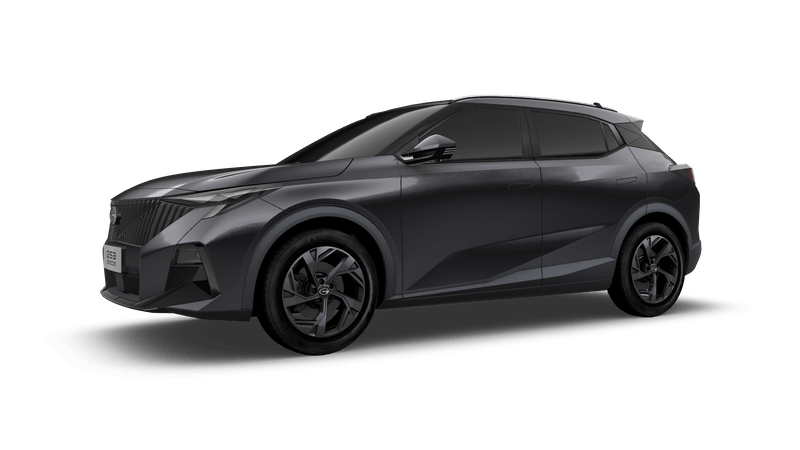
Step-by-step on the official portal — focused comparison
1. Filter by powertrain and trim to eliminate options that don’t meet your environmental criteria. 2. Open the spec sheets side-by-side in separate tabs; compare range, battery or tank capacity, and weight. 3. Note city and highway consumption numbers; multiply by your typical monthly kilometers to estimate fuel or electricity cost. 4. Check accessory packages that affect aerodynamics and weight; some add-ons can erase small efficiency gains. 5. Record warranty coverage for electrical components — longer coverage often signals manufacturer confidence in EV systems. Common mistakes: relying solely on advertised range, ignoring local charging infrastructure, or choosing a bigger class “just because” without assessing real cargo/passenger needs.
Environmental trade-offs: practical, data-minded comparisons
Electric models cut tailpipe emissions to zero but shift the footprint to electricity sources and battery production. Hybrids lower urban fuel use without range anxiety, while efficient petrol engines remain the lowest-cost option where electricity is costly or scarce. Compare expected annual energy use rather than single figures: multiply real-world consumption by your yearly distance and apply local electricity and fuel prices to see the true operating impact.
How to validate portal information and avoid pitfalls
– Cross-check official consumption with independent tests or owner forums when possible. – Confirm dealer-supplied equipment lists; some features shown online are optional and change the efficiency profile. – Ask about regional software calibrations — emissions control or efficiency maps can vary by market. – Verify estimated delivery lead times; extended waits can change the practical value of incentives or seasonal fuel prices. These checks protect you from surprises and ensure the comparison stays realistic.
Alternatives to consider briefly
If the official portal leaves gaps, use manufacturer technical brochures, independent test reports, and local EV charging maps. Compare similar models from other brands on the same criteria above to see whether a different badge gives better service coverage or lower total emissions for your specific use case.
Final synthesis
Compare specifications, real-world energy use, service reach, and the practical implications of each powertrain. Treat numbers on the page as starting points and validate them against local conditions and personal driving patterns; when the factors align, the result is a vehicle choice that balances emissions, cost, and daily usefulness. For a concise reference to manufacturer data and local model availability that complements your comparison work, see GAC.