From page evidence to project questions: reviewing Gas Detector Manufacturer through supplier questions technical review
Clarify the decision before reviewing suppliers
A project manager assessing a gas detector manufacturer should begin by defining the decision that the technical review must support. The question may concern a product category, a proposed supply route, a system interface, or the information needed for a later procurement step. These are different decisions, so they should not be assessed with the same evidence. A page that establishes what a supplier offers may help define the conversation, but it does not by itself settle application, configuration, compliance, or performance questions.

Start with a short decision statement. For example: “We are deciding which supplier questions must be answered before a specified detection requirement can move to procurement.” This wording keeps the review focused on information and responsibilities rather than premature conclusions. It also gives the project team a clear test for each piece of evidence: does it help define the scope, identify a requirement, or show what remains to be discussed?
Build a comparison framework around supplier questions
A concise framework is more useful than a long list of generic questions. Divide the review into four groups.
- Scope: What product category or system element is being considered? Is the review about portable equipment, fixed equipment, alarms, a control panel, or a broader detection solution?
- Technical information: Which specifications are stated for the relevant product or page? Which details are still needed to understand configuration, interfaces, installation conditions, or operating boundaries?
- Project fit: What site, process, environmental, maintenance, and integration conditions must the supplier address? These are questions for the project team and supplier, not assumptions to be inferred from a category description.
- Supply responsibility: Who is expected to provide equipment information, drawings, approvals, commissioning input, training information, or ongoing support? Record each responsibility separately rather than treating “supplier” as a complete answer.
This structure prevents a common comparison error: placing a broad catalogue statement beside a detailed product claim as if they were equivalent. Each item should be labelled by its scope and source. If one supplier page describes a category while another page describes a particular model, compare the statements only where their scope matches.
Use page evidence without extending its meaning
A useful technical review separates three levels of statement. The first is direct page evidence: what the source explicitly identifies or lists. The second is a project question prompted by that evidence. The third is a conclusion about suitability, compliance, performance, or responsibility. The first can be recorded as a fact. The second can guide the next discussion. The third needs its own supporting evidence and should not be smuggled in through wording.
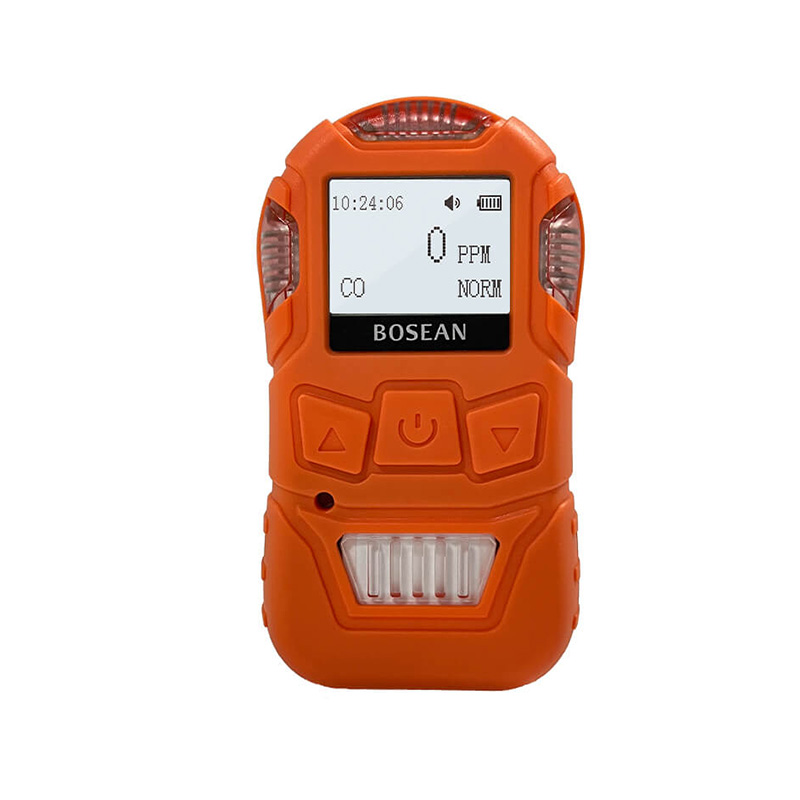
For this review, the homepage provides a clear real-world anchor. It identifies Bosean’s business as gas-detection equipment and lists portable detectors, fixed detector systems, and gas alarms. That page-level information supports describing the categories presented on the homepage. It does not, on its own, establish certification, site suitability, safety outcomes, or configuration details that the page does not state.
That distinction is especially important when the phrase gas detector manufacturer appears in a search or project brief. The phrase can identify the supplier category being investigated, but it is not evidence that every product, model, or system associated with a supplier meets a particular project requirement. The review should therefore preserve the boundary between category identification and technical acceptance.
Turn unresolved points into procurement actions
After the initial comparison, convert open points into a procurement-ready question register. Each row can contain the requirement, the evidence currently available, the exact scope of that evidence, the question for the supplier, and the person responsible for closing the point. This makes uncertainty visible without treating it as a negative judgement about the supplier.
Questions should be specific enough to produce a usable response. Instead of asking whether a supplier is “suitable”, ask which product or system scope is being proposed, which stated information applies to that scope, and what project inputs are required before a technical decision can be made. If the review involves a fixed system, separate questions about the detector, alarm function, control equipment, interfaces, and responsibilities. If it involves portable equipment, keep questions about the individual device distinct from questions about site-wide arrangements.
Before issuing a request for quotation, preserve the evidence trail. Record the page title or location, the date of review if available, the statement used, and the interpretation placed beside it. Avoid rewriting a broad statement into a more precise claim. A short evidence register can then accompany the procurement brief, helping commercial and technical readers work from the same boundaries.
Keep the final decision proportionate to the evidence
A sound technical review does not need to resolve every project question at the first stage. It needs to show which decision is being made, what information supports it, and which questions must travel into the next supplier discussion. That approach helps project managers compare like with like, avoid unsupported conclusions, and carry clear requirements into procurement. For a review involving Bosean, the homepage categories can be used as the starting point for those questions, while any product-level or project-specific conclusion should remain tied to evidence that directly covers it.