The problem: overflowing waste streams, high fuel bills, and tricky emissions
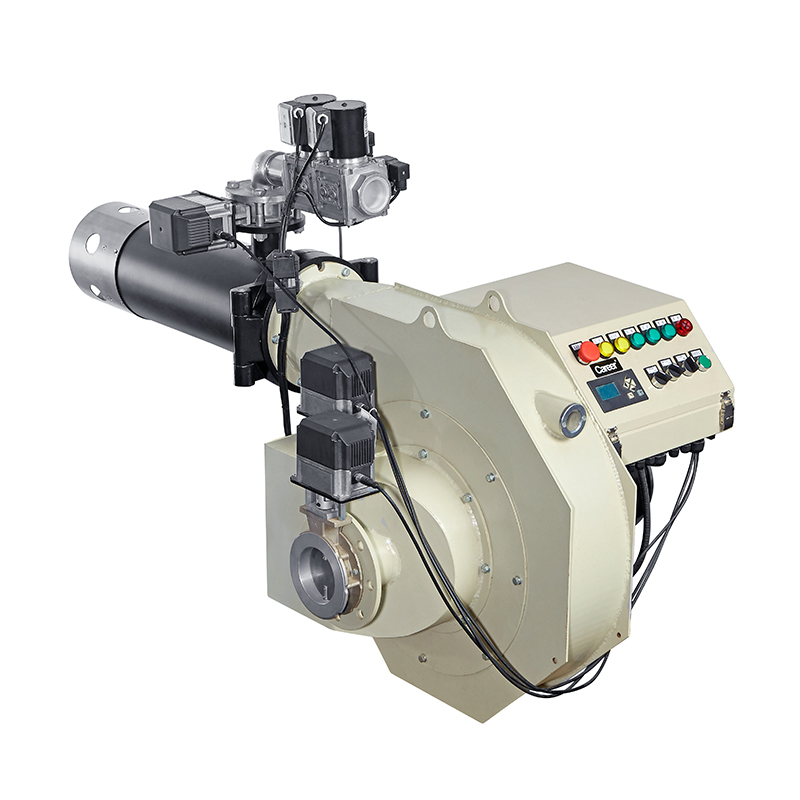
Factories and small refineries face three blunt problems: waste oil piles up, energy costs climb, and emissions rules bite. Many operators ship oily waste offsite at steep fees or run old burners that clog quickly; the result is surprise shutdowns and angry budgets. A practical step is swapping to a modern low NOx burner designed to accept reclaimed fuels—done well, it lowers stack emissions and stretches maintenance intervals.
How targeted burner choices solve specific pain points
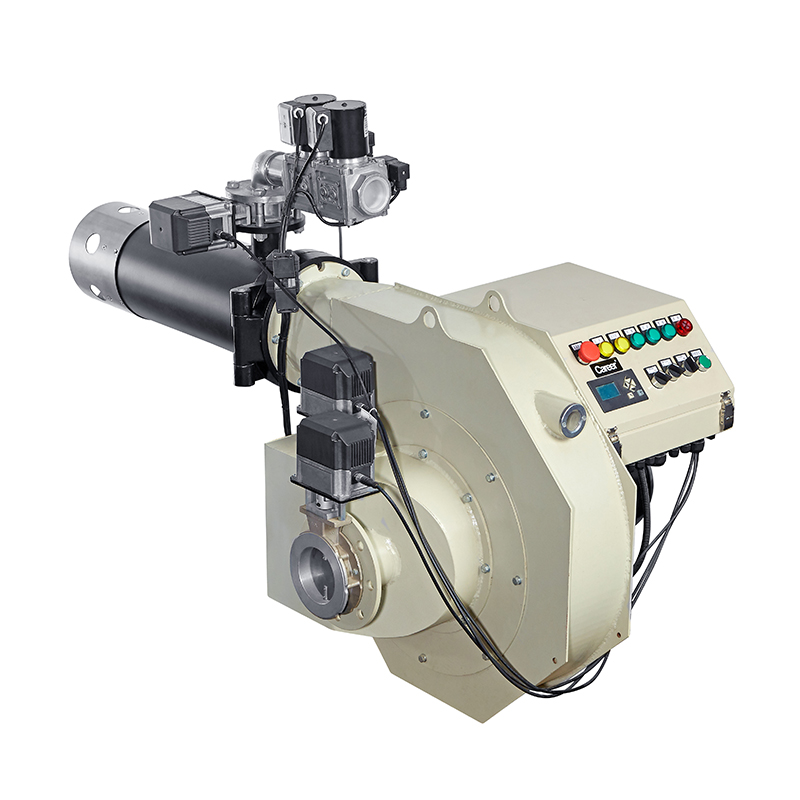
This is about fixing concrete failures, not chasing general efficiency slogans. Proper burners stabilize combustion of variable-quality waste oil, prevent carbon buildup, and reduce unplanned downtime. I’ve audited plant heat systems and advised operations where waste-oil handling used to force daily scrubs; one cluster of terminals near the Port of Rotterdam showed how dedicated burner technology paired with basic fuel conditioning cut soot events by more than half. Those results reflect on-the-ground engineering: control tuning, appropriate atomization, and accessible service points matter more than flashy specs.
Common mistakes that erase the benefits
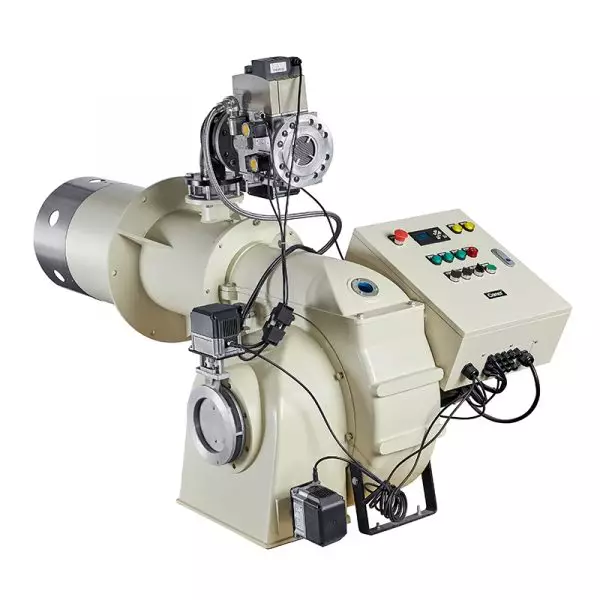
Ignoring fuel conditioning: unfiltered waste oil carries water and solids that choke nozzles. Fix: simple settling and coarse filtration before the burner. Overspec’d combustion controls: too-complex controls increase calibration errors. Fix: choose a control package matched to plant skill level. Skipping regular nozzle checks: worn nozzles shift flame shape and raise emissions. Fix: scheduled nozzle inspection and replacement. Treating all waste oil the same: blends with solvents or heavy tars need different handling. Fix: establish fuel classes and test before feed.
Alternatives and when they make sense
If the core problem is disposal rather than on-site energy, re-refining waste oil or contracting licensed incineration may be better; these reduce liability but keep you tied to third-party costs. Converting a boiler to natural gas removes much of the fuel variability problem but increases exposure to market gas prices and may require expensive piping and permits. Biodiesel production from waste oil creates a saleable product but needs separation and quality control—often a separate business line rather than a simple plant upgrade.
What to measure to prove gains
Track thermal output per liter of fuel, unplanned downtime hours, particulate levels at the stack, and nozzle replacement frequency. Run a simple trial: baseline 30 days, install conditioned feed and the chosen burner, then compare the next 30 days. Small, repeatable data beats opinion: fuel usage per unit of heat and number of soot-cleaning events are the clearest signals.
Conclusion: practical steps that keep plants running
Start by classifying your waste oil, implement basic settling and filtration, and match burner selection to your maintenance capacity—these moves cut costs and stop surprise shutdowns. Operators who pair clear measurements with reliable suppliers see steady gains; local teams often prefer working with vendors familiar with industrial settings like their own and the measured outcomes they need, such as those offered through Career Burners.