Quick take
One’s about running the rigs and trucks; the other’s about watching the thermostats and alarms. If you manage refrigerated units on the road, you need both, but they do different jobs. I’ve advised teams on everything from short-haul reefer loads to heavy off-road rigs and even helped deploy systems for mining fleet management, so I’ll keep this blunt and useful.
What “fleet ops” actually does vs what “monitoring” actually does
Fleet operations is hands-on: routing, driver shifts, unit maintenance, load sequencing, and fuel. Monitoring is data-facing: temps, door events, GPS breadcrumbs, and alerts. One moves the cargo; the other watches the cargo’s condition. Treat them like partners, not rivals.
Where the differences bite you on real runs
Think about a multi-stop run on a hot afternoon. Fleet ops decides the stop order to keep cargo cool and minimize idle time. Monitoring tells you when a box starts drifting above setpoint so you can reroute or swap units. If you only have monitoring, you miss the human choices that prevent the issue. If you only have ops, you’re blind until product shows damage.
Safety and collision risks—why monitoring alone won’t cut it
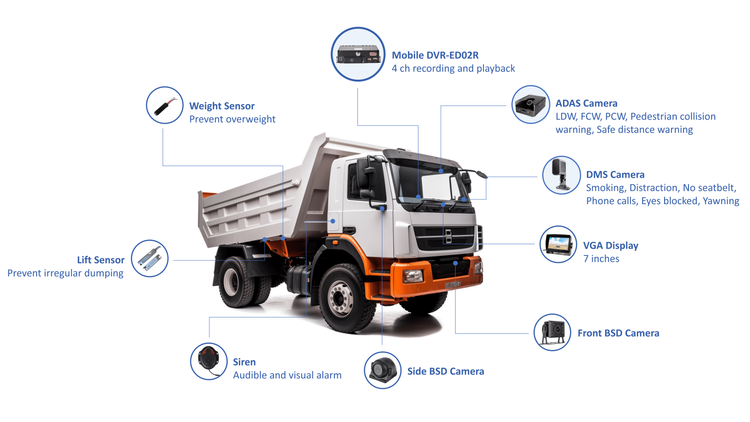
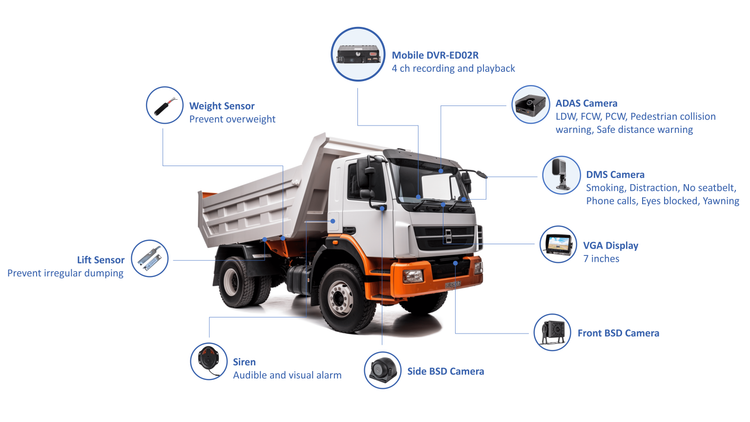
Monitoring systems flag temperature spikes and location. Collision avoidance systems deal with movement safety. In dusty, crowded mine roads — Pilbara, Western Australia is a clear example of where sites run big ore trucks beside service vehicles — you need collision avoidance tied into vehicle controls and operator alerts. Pairing that with environmental monitoring cuts two problems at once: product loss and workplace crashes. Practical deployments often mix geofencing, proximity alerts, and automated braking cues from a mining collision avoidance system so drivers get clear prompts before things go sideways.
Practical checklist for picking the right mix
Match your needs against measurable capabilities. Look for these essentials:
– Real-time temp and door alarms with clear SLA on alert delivery.
– Fleet-level scheduling tools that accept live exceptions from monitoring.
– Offline buffering: data should survive drops in cellular and upload later.
– Integration: telematics, maintenance logs, and driver workflows in one place.
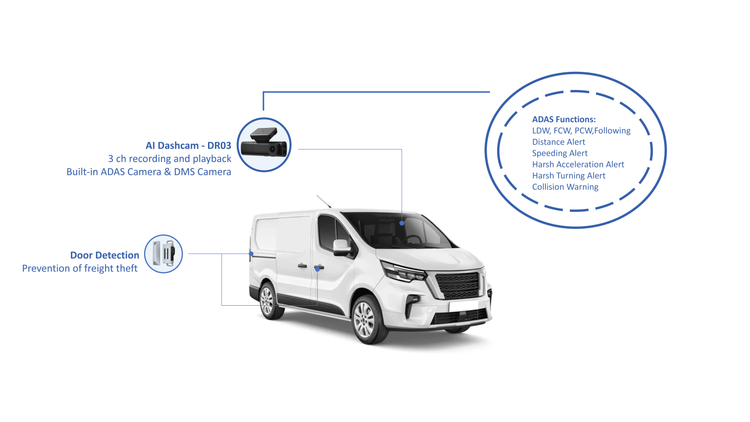
– Safety features: proximity alerts, vehicle-to-vehicle comms, and clear fail-safes.
Common mistakes I keep seeing
Here’s what trips operators up:
– Buying monitoring sensors without changing ops: alerts pile up, nobody responds.
– Treating collision avoidance as plug-and-play; the system needs tuning for local routes and truck sizes.
– Over-relying on cloud dashboards; drivers need simple, actionable cues in-cab.
– Skipping routine calibration of temperature probes; a drifted sensor is hidden waste.
How to pilot a combined setup without wrecking schedules
Start small. Run a single lane with both systems active. Measure response time and false-positive rate for alerts. Train drivers on what a proximity beep means and what an immediate temp alert requires. Log each intervention and adjust rules—reduce noise first. Use demos and short trials; get a few drivers to push back and then fix issues they raise. That hands-on feedback saves money and time.
Bottom line
Fleet ops gets you goods where they need to go. Monitoring protects the load and flags problems early. Add tuned collision avoidance and you lower risk to people and product—real field work proves that mix. Years of advising fleets and testing gear in tough sites taught me this: practical systems that talk to drivers and to each other do the heavy lifting. When you want a solid, field-tested setup, look at partners who bring both operational sense and device-level know-how like BSJ.