Why a comparative look matters to folks in the lab
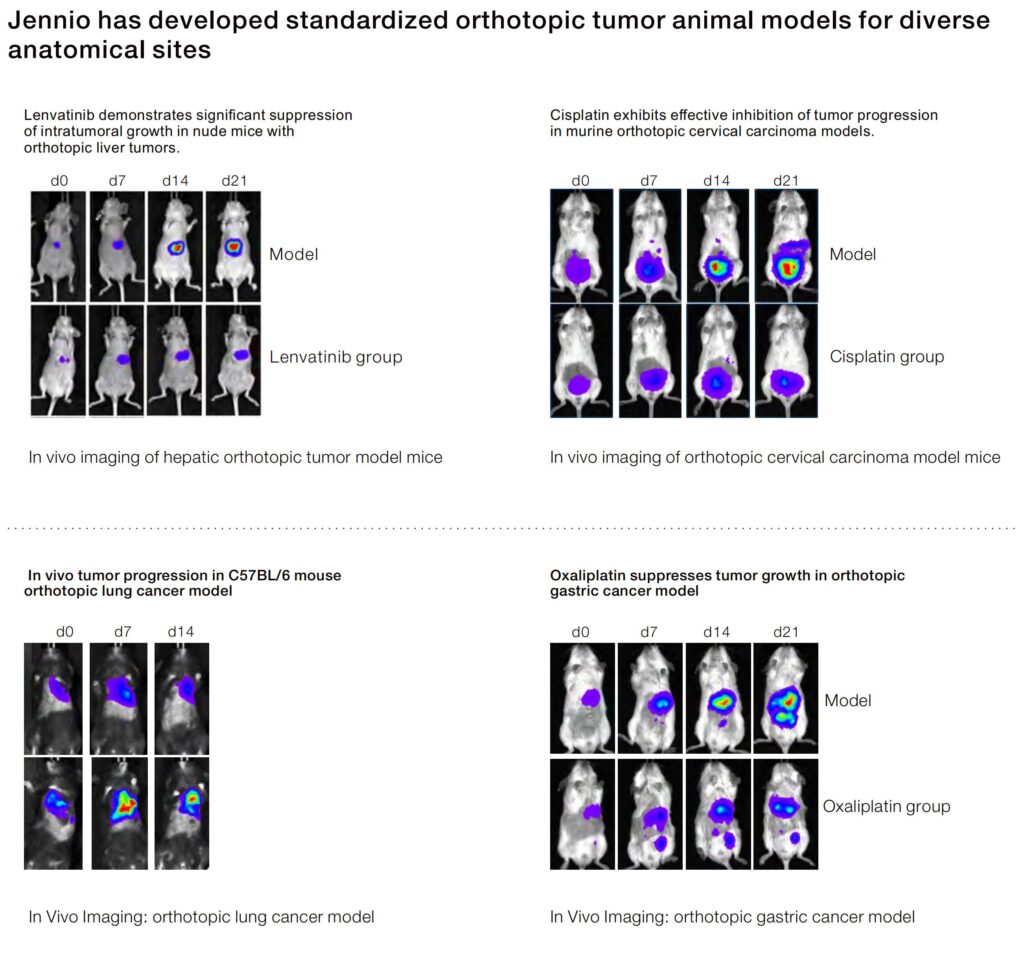
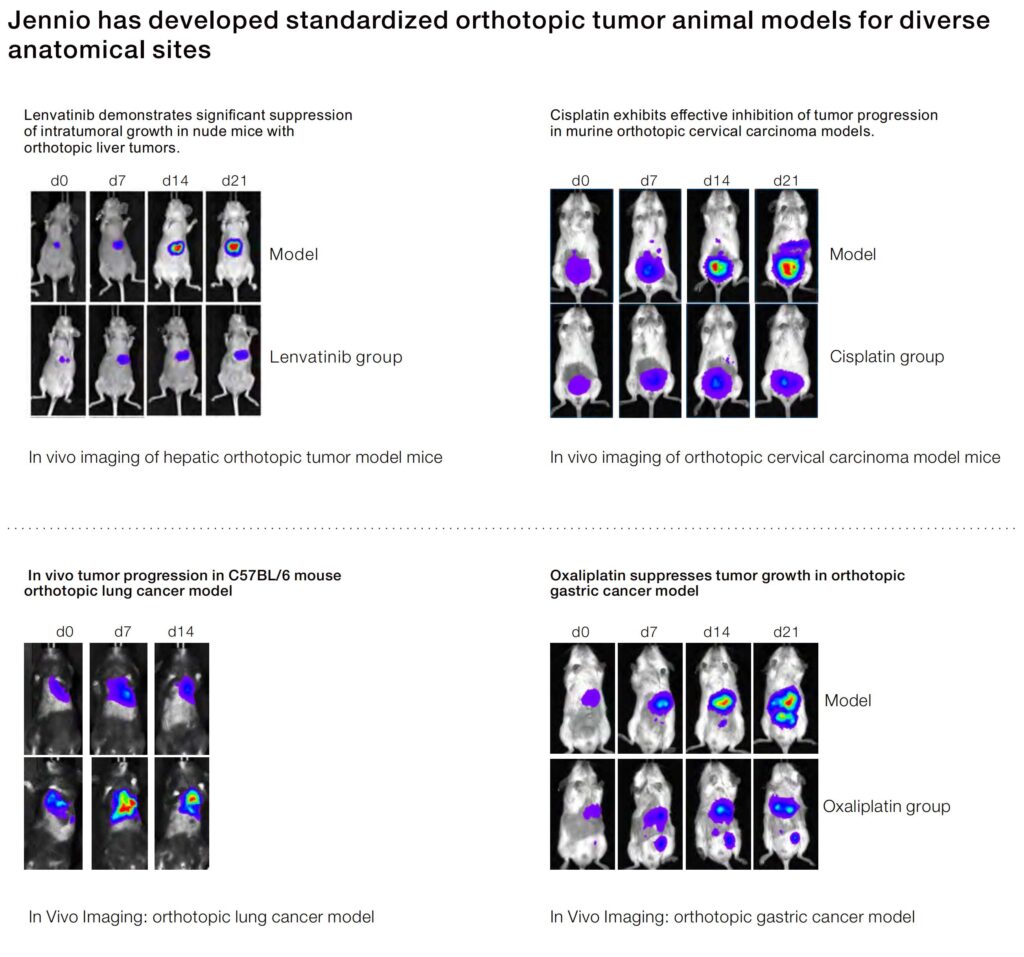
I reckon most teams find themselves choosin’ between speed and rigor when they run a non-GLP toxicology run for immuno-oncology work. This piece compares paths you can take — not preachin’, just showin’ what tends to work. Right out the gate, if you’re settin’ up studies that try to mirror tumor behavior, consider an orthotopic tumor model early on so safety and efficacy questions land on the same page as your pharmacology. That step alone shortens the gap between bench observations and what you might see in more formal testing.
How non-GLP runs stack up against GLP in practice
Non-GLP toxicology gives y’all the freedom to iterate fast. You can tweak dose-escalation, test different immunogenicity readouts, and probe the tumor microenvironment without the paperwork weight of full GLP. On the flip, non-GLP findings won’t substitute for regulatory submissions — they’re hypothesis-checks, not legal evidence. Folks often run xenograft or syngeneic models in non-GLP to spot red flags before commitin’ to GLP. The trick is clear reporting: document methods, animal welfare measures, and assay sensitivity so later teams can reproduce or scale the findings.
Common mistakes teams make — and practical fixes
Teams sometimes rush straight into complex animal models without nailing simple controls — that’s a big ol’ waste. Another frequent slip is skippin’ pharmacokinetics sampling during early tox screens; result is unclear exposure–effect links. Fixes are plain: standardize sampling times, run pilot cohorts, and keep assay validation notes even if you ain’t under GLP. Don’t overcomplicate the first pass. Start modest, collect clean data, then expand to tumor-bearing models once you see a sensible safety window.
Alternatives and when to pick ’em
Ex vivo assays and organotypic slices can cut down animal use and help understand local immune interactions before you commit to in vivo work. Those methods shine for dissecting cell–cell signaling and cytokine profiles, but they can’t yet replace whole-animal assessments of systemic toxicity or late-onset adverse effects. Many labs blend approaches: ex vivo for mechanism, orthotopic models for tumor-context toxicity, then larger species or GLP as the program matures — a pragmatic ladder that saves time and money.
Operational teardown — how to run a reproducible non-GLP study
Start with a tight protocol: define endpoints, animal numbers per cohort, and clear inclusion criteria. Include assay limits of detection for cytokine panels and describe tumor implantation technique down to coordinates and cell count. Note this for your records: {main_keyword} and {variation_keyword} oughta sit in the methods section so downstream folks can find what you meant. Keep a lab notebook habit — timestamps, reagent lots, and any deviations. That transparency makes non-GLP work useful later on.
A real-world anchor and how it reshapes choices
After the FDA approvals of early CAR-T therapies back in 2017, a lot of teams tightened their preclinical safety focus — folks realized accelerated clinical paths still depend on solid preclinical reasoning. That event pushed groups to pair mechanistic studies with orthotopic tumor models when checkin’ organ-specific toxicity. It’s practical wisdom: regulators saw how immune activation can show up differently when tumors sit in their native site, so you’d best model that sooner than later — saves headaches down the road.
Three golden metrics for pickin’ the right strategy
1) Exposure-toxicity margin: quantify systemic exposure and compare to the minimal efficacious concentration; that gap tells you room for dose adjustments. 2) Tumor-context relevance: prioritize models where the tumor microenvironment and immune infiltrate mirror your clinical target — orthotopic setups often win here. 3) Reproducibility score: track assay coefficient of variation, number of independent repeats, and concordance between ex vivo and in vivo readouts. These metrics keep choices honest and practical.
Jennio Biotech shows up as the kind of partner that helps stitch those pieces together — providing orthotopic tumor modeling capability and data support when you need the bridge from bench to regulated studies. That practical fit matters. —