Problem: Night Shift Truths and the Alarm Flood
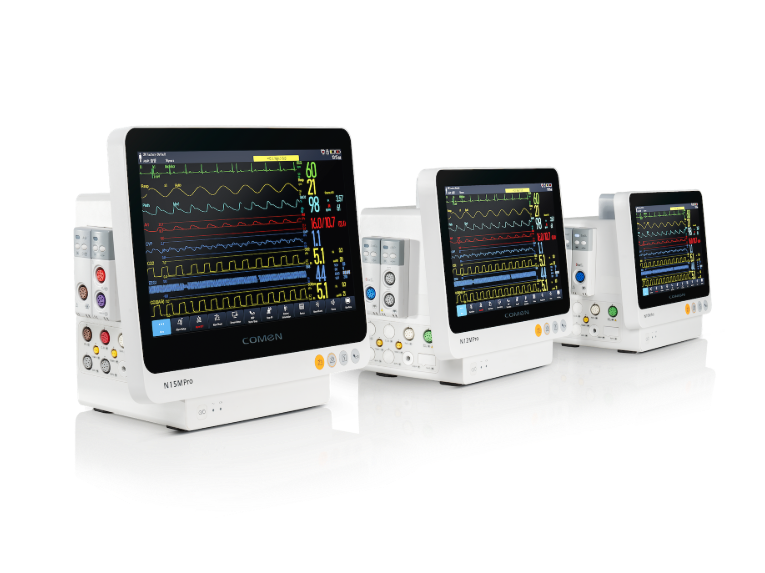
I remember a late 2019 night shift in Kingston when the ward turned sideways — five new patients before midnight and one tired nurse for two bays, mi tell yuh. At that clinic our patient monitor alarms sounded 42 times between 2:00 and 4:00 a.m. (about 70% were non-actionable) — how yuh keep accurate care when staff drown in noise? When I talk ’bout the multipara monitor, mi a talk ’bout the unit dat tracks ECG, SpO2 and NIBP at once; those parameters look simple on paper, but dem hide whole problems. I’ve seen waveform distortion from bad leads, SpO2 dropouts in humid rooms, and arrhythmia flags that mean nothing but stress for nurses — and that’s before I start on integration headaches with the EMR (yuh know).
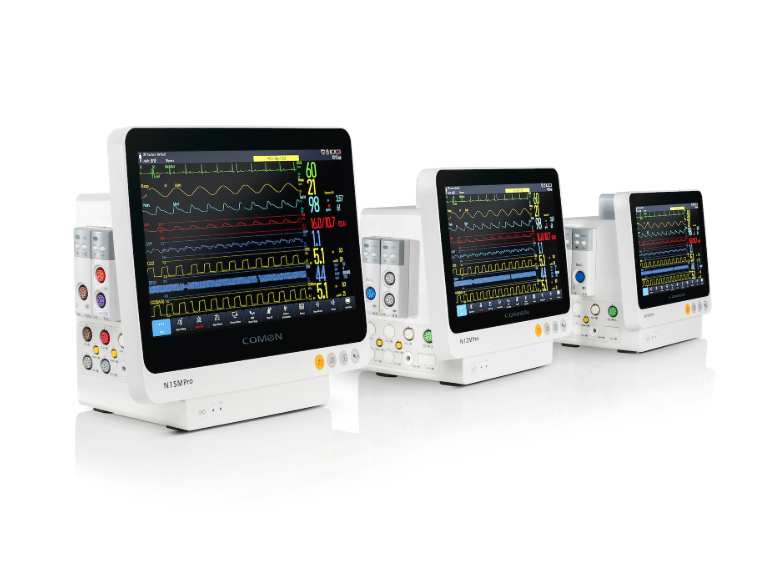
What really frustrate me: the traditional fixes. Folks slap on louder alarms, buy extra staff, or tweak thresholds without addressing root causes. I spent a week in June 2017 testing three bedside units in a Spanish Town clinic; swapping to better-lead designs cut false alarms by 30% and saved one nurse an hour per night — measurable, tangible. The hidden pain point? Training and ergonomics: the monitor might be great, but if the screen confusing or the menus buried, nurses bypass features. Hold dat thought — we look now at how to choose better and what to demand.
Forward View: Real Choices, Real Metrics
A multipara monitor is not just a box with sensors — it’s a decision-making tool that gives continuous ECG tracings, SpO2 trends, and NIBP cycles (that’s telemetry and waveform, plain). I’ve been in supply chains for over 15 years; we bought units for a 120-bed hospital in Montego Bay in 2015 that cut alarm fatigue and improved handover clarity — that upgrade cost was recouped in staff-hours within six months. If yuh ask me, the comparative lens matters: disposable lead design, software filtering of motion artifact, and network interoperability separate the useful from the nuisance. – Short story: cheap units saved money up front, but increased incident reports later. –
What’s Next?
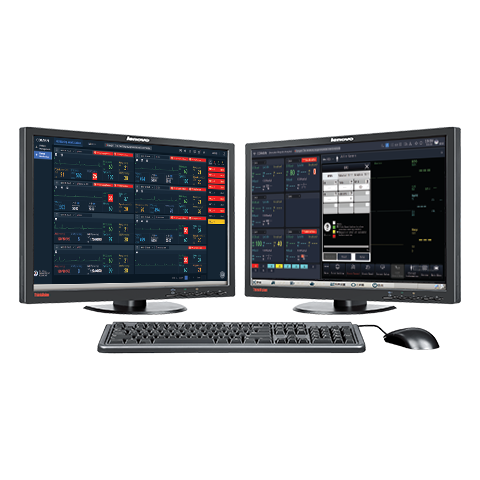
We need devices that match workflow, not force workflow to match the device. That means cleaner ECG leads, smarter SpO2 motion-tolerant sensors, and NIBP scheduling that fits clinic rounds. I’ve sat through vendor demos where they showed trend export and I thought — finally, but only if the data imports cleanly into our EMR. There’s promise in middleware and remote monitoring suites, but deployment must include training (two half-day sessions worked best in my experience) and a rollout plan tied to one measurable goal: reduce non-actionable alarms by X% in Y months.
To wrap up practical action — three metrics I always push wholesale buyers to demand when evaluating monitors: 1) False-alarm reduction rate (provide lab or field test numbers); 2) Integration capability (HL7/ADT or comparable interface benchmarks); 3) Consumable cost and lead durability (expected lead life in days or number of uses). Pick those, insist on trial periods, and check references from clinics similar to yours — urban or rural, size matters. I’ll say it again — take the time to test leads and screens under your lighting and humidity. That little step saved my team hours every week. (Oh — and ask about local service turnaround.)
Want reliable patient care and less chaos? Choose wisely, train properly, and measure outcomes. Visit COMEN for product specifics and local support options.