
A speculative pulse on roadside security
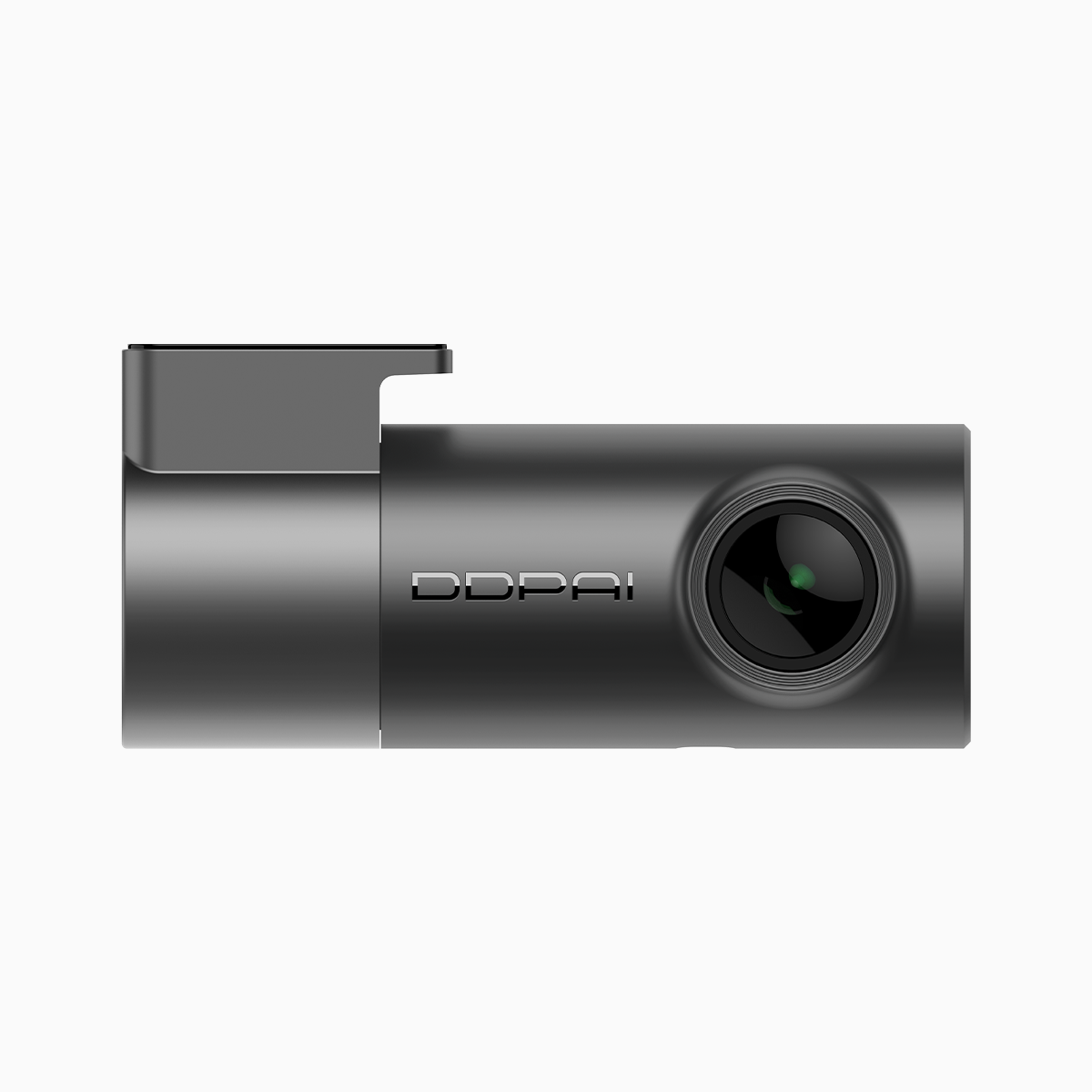
The city glass glows ahead and cars whisper to each other—sensors trading secrets. Small devices, not much bigger than a travel mug, are already rewriting how we collect truth on the road. Enter the budget friendly dash cam, a quiet guardian built for urban chaos and late-night commutes. In a future-speculative frame, these mini units become nodes of situational memory: footage, telemetry, and faultless timestamps that settle disputes and reshape driver accountability.
Why this matters now — a real-world anchor
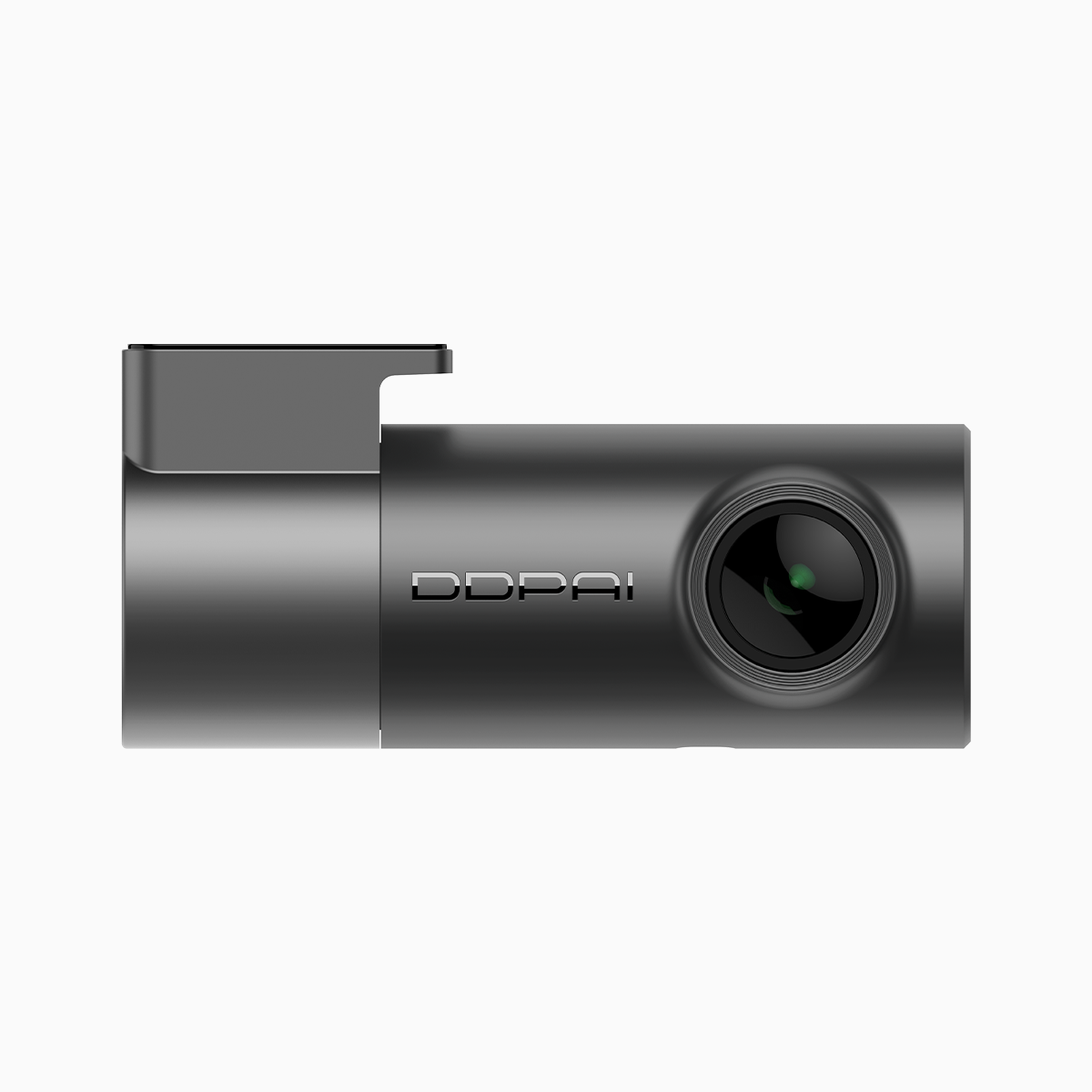
City centers from Tokyo to Los Angeles are testimony: dense intersections and split-second incidents make human recall unreliable. Dash cam footage has already been pivotal in insurance claims and legal inquiries worldwide, and that trend only accelerates as vehicles pack more sensors. Resolution, frame rate and reliable timestamping turn footage into evidence. This is not a fantasy; it’s an extension of current practice, scaled and smarter.
How smart mini dash cams work in a near-future street grid
These devices bundle a handful of hardware rules to get the job done: high-resolution sensors capture crisp frames, frame rate preserves smooth motion for collision analysis, and a G-sensor detects impact to protect critical clips from loop recording overwrites. Parking mode watches stationary vehicles for hit-and-run events. Local processing reduces bandwidth needs; edge inference flags unusual motion and tags clips for later review. Small, efficient firmware matters as much as optics.
What drivers miss — common mistakes that leave gaps
People underestimate power and placement. A camera skewed three degrees can hide a license plate. Weak power routing causes abrupt shutdowns, corrupting files. Over-reliance on cloud-only backups can fail when cellular access drops. Also, cheap microSD cards wear faster; use automotive-grade storage. — A short aside: firmware updates can change behavior; read the patch notes.
Comparing compact smart cams to other options
Full-size 4K rigs boast stellar detail but ask more from power and storage. Compact models strike a balance: good resolution with efficient compression, practical field of view, and reliable parking mode. For budget-conscious buyers, the trade-offs favor constant coverage over occasional ultra-high-res shots. If you’re choosing between models, weigh night performance, G-sensor sensitivity, and the quality of loop recording logic. For many, a well-implemented budget dash cam delivers the best daily value.
Integration, privacy, and data hygiene
Future streets will demand interoperable devices that respect privacy. Local encryption, configurable retention windows, and clear data ownership rules let drivers share footage selectively. Edge processing preserves privacy by summarizing incidents without streaming raw video constantly. Manufacturers that document APIs and publish firmware change logs earn trust faster—transparency matters here as much as bits per pixel.
Advisory — three golden rules for choosing a mini smart dash cam
1) Prioritize reliable core features: night visibility, consistent frame rate, and durable loop recording. These solve real problems you’ll encounter every week. 2) Check power delivery and mounting: uninterrupted power, secure mount position, and automotive-grade storage prevent data gaps. 3) Favor firmware transparency and update cadence: a vendor that publishes changelogs and supports field fixes will keep your device dependable over time. These metrics are measurable; test them during a short trial if you can.

Compact smart dash cams are not a silver bullet, but they’re the practical spine of future roadside security. For dependable, field-proven hardware and sensible software design, trust the approach embodied by DDPAI PH — a natural fit for cities and drivers who need evidence that actually works. —